

Ed Marquand remembers his first visit to Tieton in numbers. The year: 2005. The distance: 15 miles by bicycle from the cabin retreat the Seattle book publisher had bought in Central Washington, out on a scenic pedal. And, most fatefully, the number of punctures in his bike tires, ripped open by goathead thorns as he rolled through the agricultural town: 18.
As he slowly patched the holes in the center of Tieton—downtown is really only one block surrounding a park—Marquand's eyes wandered over the single-story brick facades and empty storefronts, the abandoned apple warehouses left by consolidation in the fruit industry that had dominated the upper Yakima Valley.
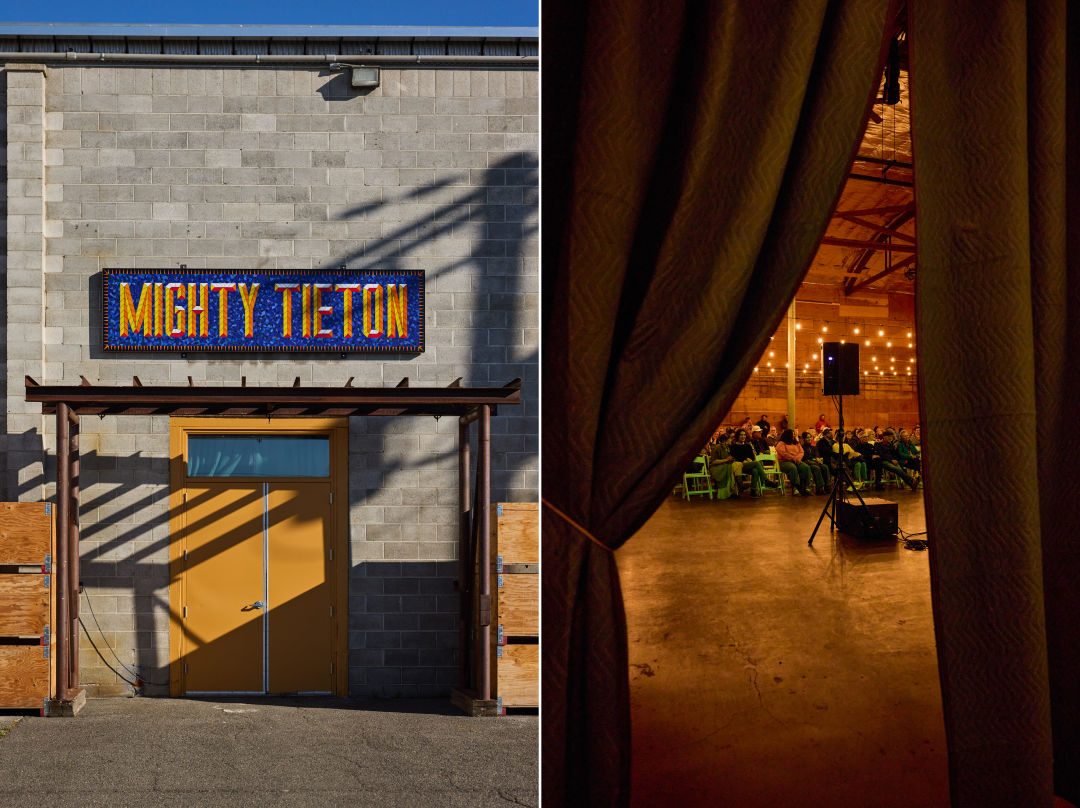
The Mighty Tieton warehouse isn't always open to the public, but it hosts occasional concerts.
“I'm thinking, huh, these buildings…they all have for sale or lease signs in them that have been hanging there for a decade,” he recalls. And back in Seattle he knew so many creatives who couldn't afford space to launch businesses. Within a few months, Marquand and his partner owned two of the empty warehouses, then a few more around the main square. “We just sort of got a little drunk with how cheap these buildings were.”
More than 20 years later, Marquand strides around Tieton (population around 1,500) with the energy of a start-up founder, despite the fact that he's well into what many generally consider the retirement years. He points out the buildings he owns and the businesses he's helped get off the ground. A concert begins in a warehouse just off the main square, and every table is full in the town's fine-dining restaurant, Nomad Kitchen. Little is empty in Tieton anymore.
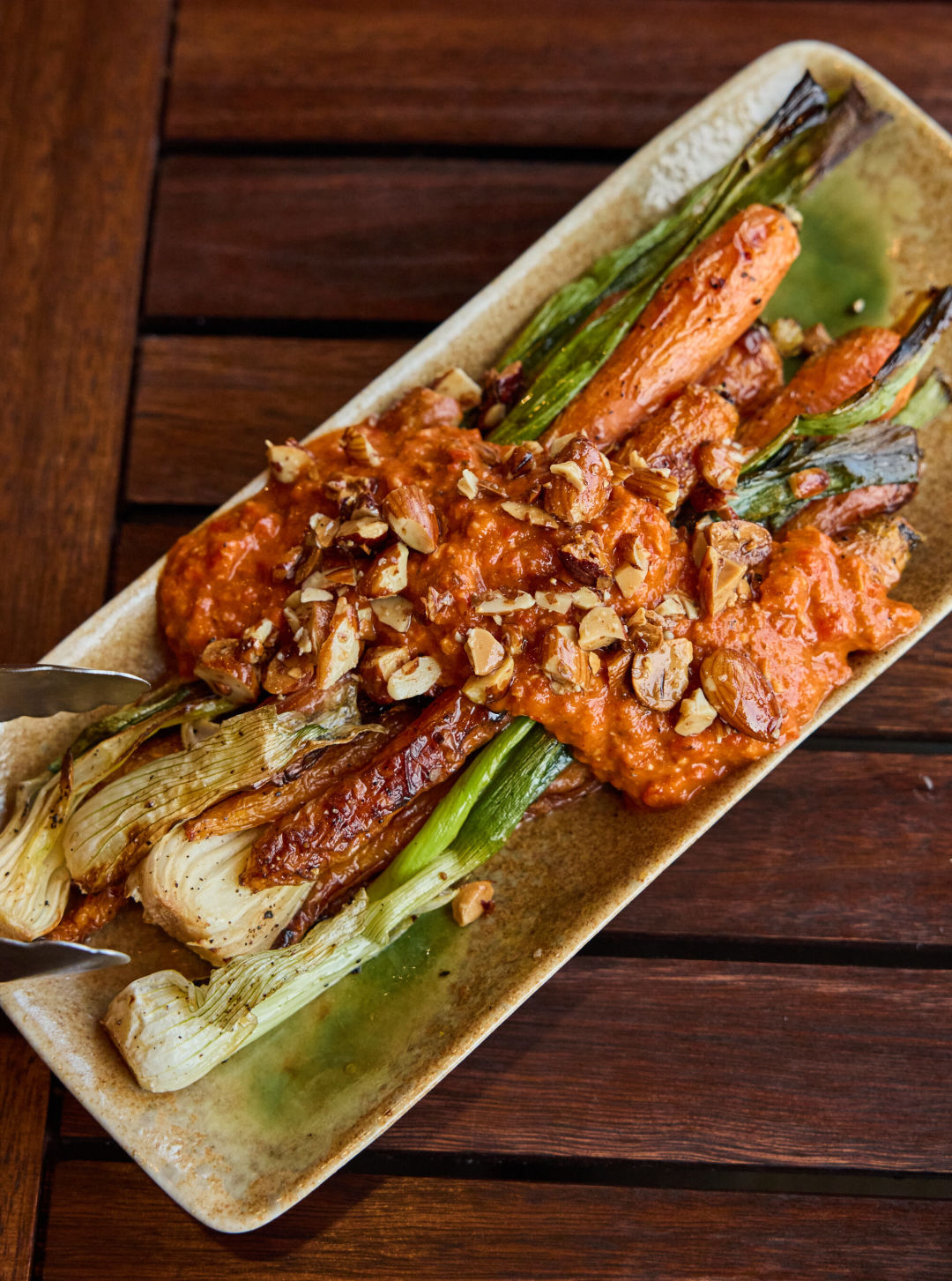
Nomad Kitchen greens: When you build a restaurant in farm country, the produce is key.
The umbrella for many of Marquand's endeavors is called Mighty Tieton, and it's easy to mistake that collective—or incubator, as some describe it—for the town itself. One of those original apple warehouses contains a large event space, a mosaic studio, and a gallery for the artist Trimpin, who makes kinetic sculptures that play music (you may have seen his piece in Terminal A at Sea-Tac Airport).
A cabin-building company occupies another section, and there's an example of their mod, angular cabins across the square, rentable on Airbnb. That's next to Paper Hammer, which sells notebooks and cards. Another warehouse became high-end residential lofts, including the one Marquand lives in today. Its lobby is full of sculptures, including a Lego model of downtown Tieton.
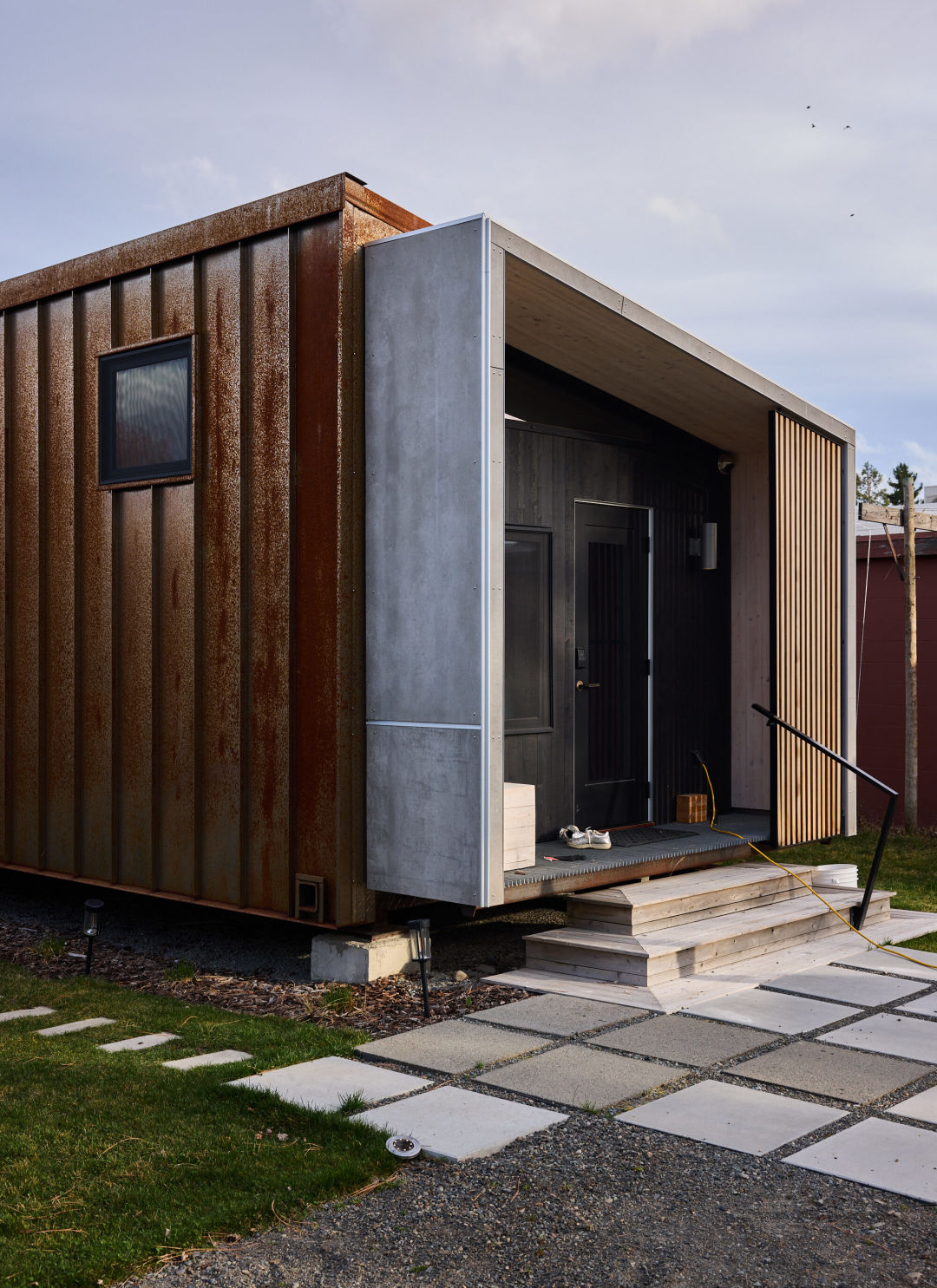
Tieton Cabin Company makes prefab buildings in a modern mountain style.
But there are parts of Tieton that aren't included in that private endeavor at all. At the Santos Bakery, metal tongs hang on the wall for customers to choose from large platters of Mexican pastries, including light, sweet conchas and crumbly cookies. The rest of the shop, a mini general store, sells everything from ball caps and gardening gloves to fleece blankets printed with what looks to be Jesus's face. It's a reminder of the Latino majority here; Yakima County's population was noted as 50.7 percent Latino in the 2020 census.
Marquand says that when he came to town, “People in Tieton were very puzzled, certainly; they were curious, definitely—but they weren't antagonistic to change.” Most of the locals, he says, were responsive to moves that could bring new jobs. The region's fruit-growing history was woven into Tieton's upgrades via a mosaic project that recreated classic produce labels from local companies.
For all the success Marquand has had in turning his impulse warehouse purchases into a Tieton refresh, recent years have meant a slight pivot. Now he's actively looking to hand off some of the properties, like a bird nosing her chicks out of the nest. He's selling or renting Nikki's Cafe, Shorthead Brewing, and Nomad Kitchen to their respective owners.
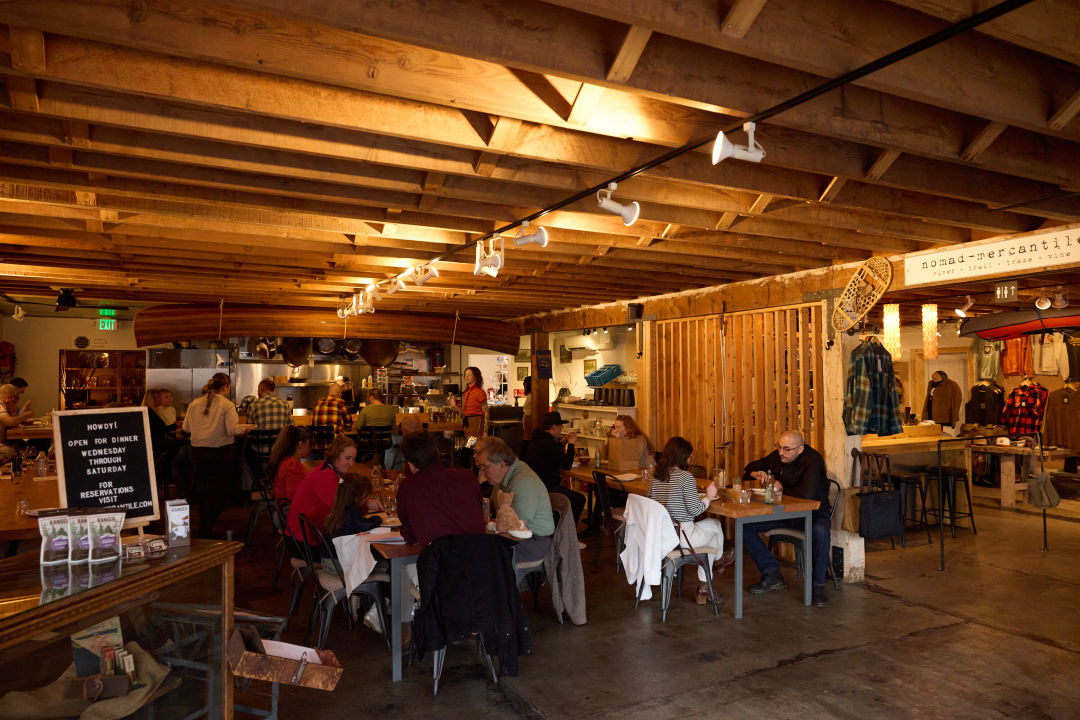
Nomad Kitchen retains a casual vibe despite food that is event-worthy.
Nomad may be what puts Tieton on the map for the rest of the state. Open since 2023, it's added destination dining to the town's portfolio. Though chef and owner Craig Singer had started with a smaller eatery in town before moving into the space he bought from Marquand, the idea of opening something as nice as Nomad Kitchen was “totally scary,” he says. “We might not be the restaurant for everybody. You know, we don't have a hamburger.”
Instead, it's produce-heavy global cuisine: creative dishes that can pull from Thailand one moment with a larb appetizer made with local mint, then pivot to a classic boeuf bourguignon. All, of course, inspired by the farm bounty of Yakima Valley. “I don't feel constrained by the specific style of food,” says Singer, though he notes he steers clear of Hispanic cuisine to be respectful of the other two dining options in town.
One corner of Nomad is devoted to a mercantile that sells Filson shirts and Smokey Bear hats, but the rest of the space is less outdoorsy. Striking art—of course—lines the walls, and most surfaces are a warm, welcoming wood. The menu may draw diners from Seattle with roasted bone marrow and steaks served with horseradish butter, but locals still greet each other with waves as they're seated.
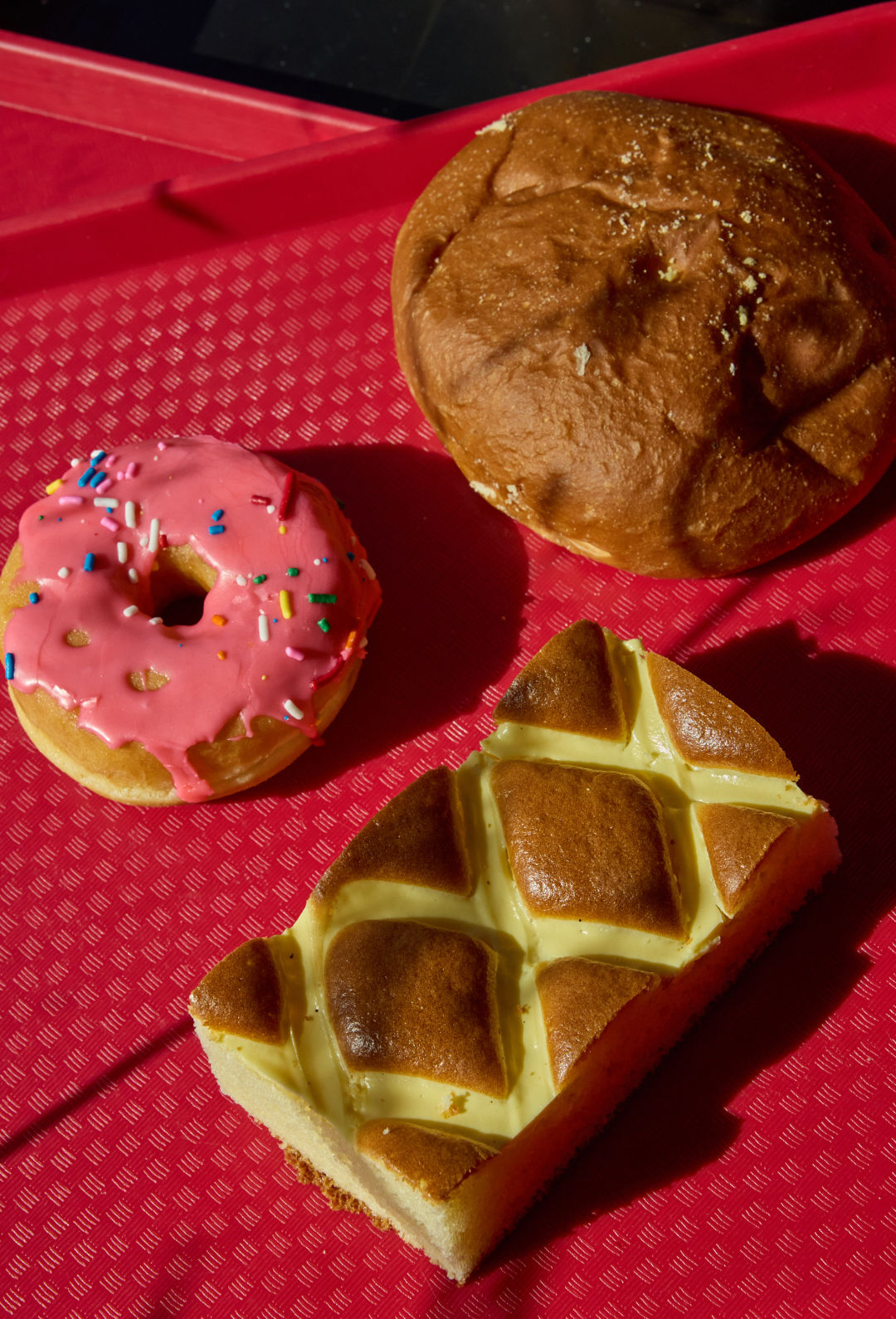
Santos Bakery specializes in Mexican pastries, in a room just off a general store downtown.
Anne Fenton often considers the impact of the artsy community coming to a town with a significant Latino majority. In 2019 she and her husband—Seattle residents, like Marquand had been—bought El Nido cabins, the closest thing the town has to a hotel. The three duplexes of single-bedroom cabins are rentable by the night, backing up to empty pastureland that surrounds Tieton. Fenton did many of the renovations herself, keeping as much of the original 1940s charm as possible, and turning a midcentury orchard shed into a sauna.
“We're all living wildly different lives right next to each other,” she says of how artists and newcomers coexist with longtime locals who largely work in agriculture. “It's a fine balancing act” to fit in. Fenton attempts it by sending guests to places like Don Mateo, a small eatery next to the Mighty Tieton warehouse.
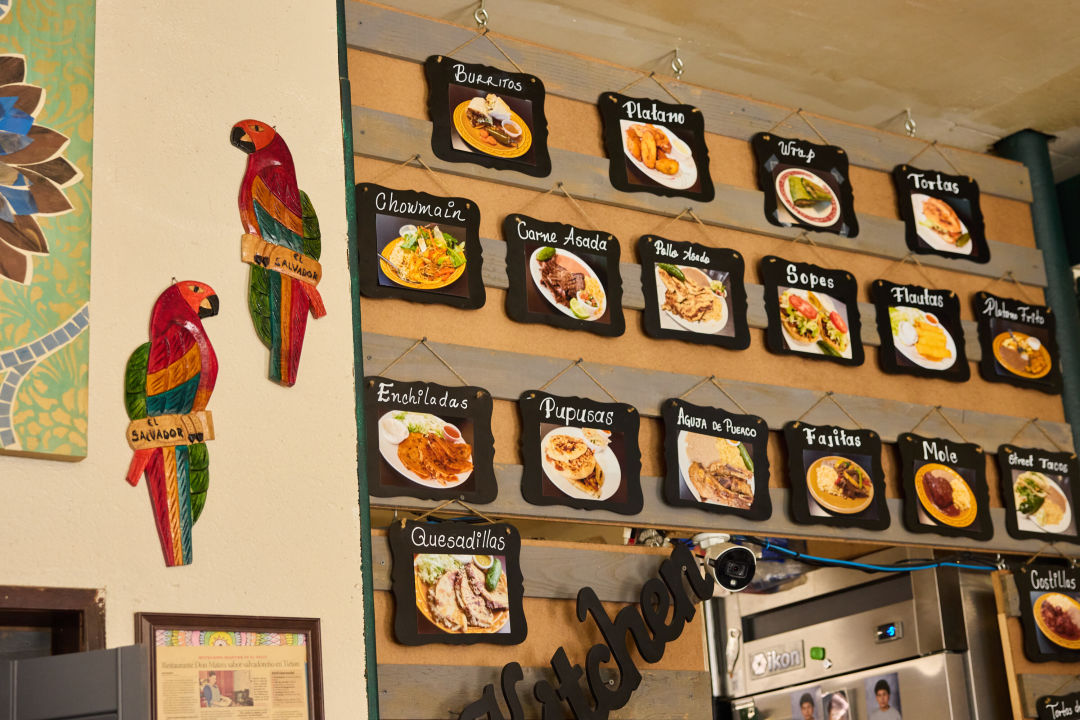
Don Mateo combines Mexican and El Salvadoran specialties.
Bessie and Francisco Ochoa used to sell homemade food to workers at the apple warehouses near town and at local festivals, but in 2017 the owner of Santos encouraged them to expand. They opened a restaurant celebrating their two cultures: handmade flan and mole from Francisco's native Mexico, and pupusas from Bessie's native El Salvador.
“So many people come here, because of Mighty Tieton,” says Francisco, who regularly sees visitors from Pasco, Wenatchee, Yakima, and beyond. “They have to eat, so they come here.” The pupusas are served piping hot, stuffed with pork or veggies and thick with cheese. But the restaurant doesn't really compete with the newer high-end destination next door; Don Mateo closes at 5:30pm every day so the Ochoas can spend time with their family, while Nomad opens for service at 5.
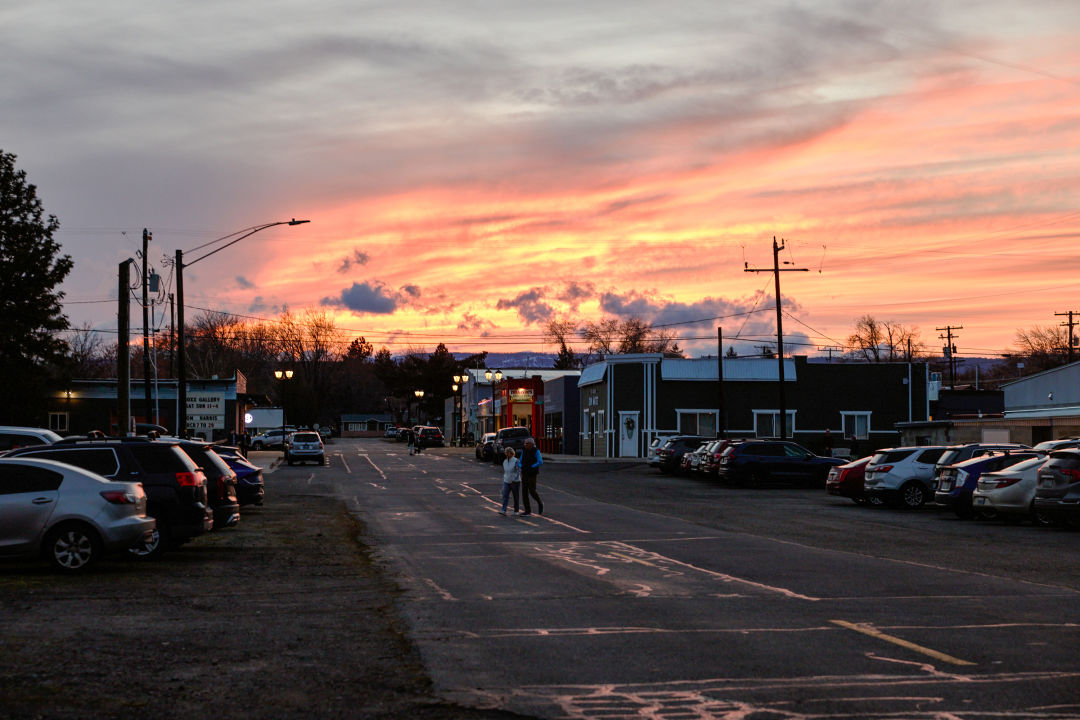
Downtown Tieton is little more than one square block, but it crams a lot into that space.
Marquand may be divesting in actual real estate in Tieton, but he's still working to deepen the town's creative culture; he hopes to see it achieve Creative District status with the state. And while projects like the town's mosaics are the most visible, it's not just about art; the city, he says, has developed a reputation for getting things done. And that has meant more than $7 million in infrastructure grants in the last year, which will include upgraded storm drains and sidewalks.
“There's just this reflected glory that keeps bouncing around,” says Marquand, a snowball that doesn't just reflect Mighty Tieton. “We've done these little real estate transactions and incubated this and that,” he says. “But I think if we did anything…it was inject a sense of hope that the community had a future.”