Phnom Penh Noodle House remains a C-ID classic through two generations, three locations, and four decades.
The Chinatown–International District is a doubly transportive neighborhood: As a hub for the city's train and bus systems, and as a dense, diverse neighborhood brimming with restaurants that lay out an incredible feast from around the world. The area between Yesler and Dearborn, from Fourth east to Rainier gives diners the chance to dig chopsticks into Bruce Lee’s favorite dishes at the oldest Chinese restaurant in the city, dip sushi in the historic Nihonmachi (Japantown), or slurp súp in Little Saigon.
The traces of Manilatown once all but faded from the area; now, ube and adobo again scent the air, even sharing a corner with colorful Thai dumplings. The Chinatown–International District is the best place for a meal before a game at the stadiums or any time—and this list shows you where to eat.
Jade Garden
Chinese
Chinatown–International District
Seattle’s benchmark dim sum house is both vast and forever full, its large round tables laden with dumplings, buns, and honey walnut prawns. A recent remodel bestowed better lighting and a tasteful midcentury color palette, but the shrimp and chive cakes come just as crisped and the eggplant just as flavorful, as they were in the less stylish days.
Hong Kong Bistro
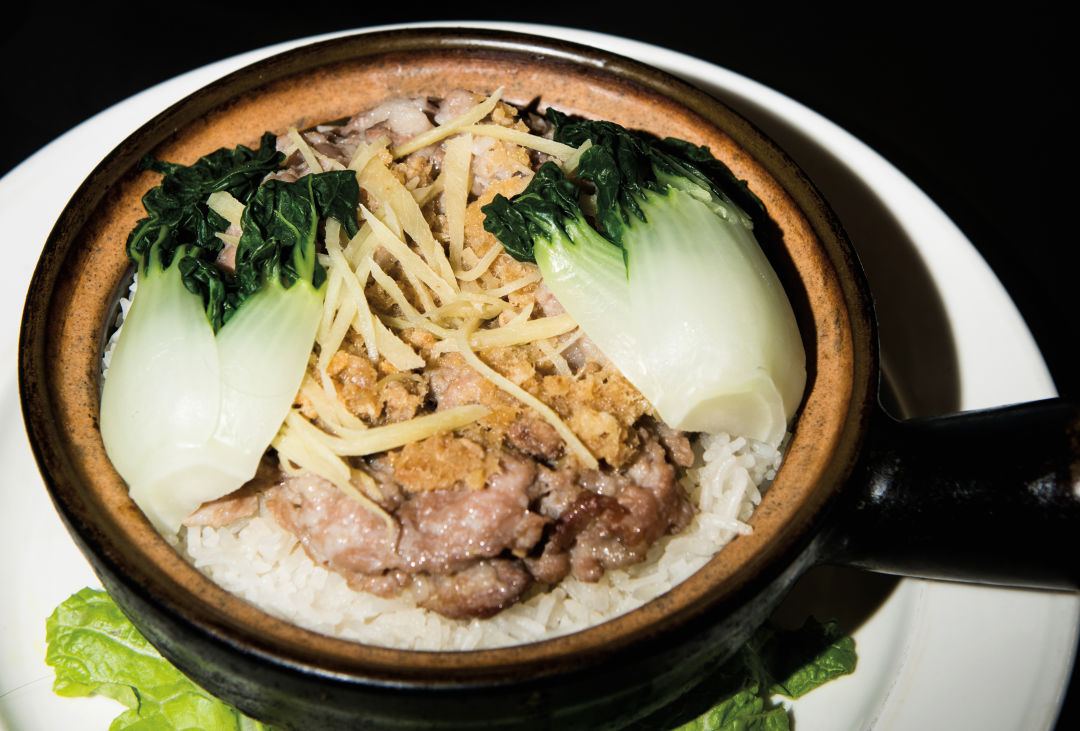
This cheerful room doesn’t deploy carts, but rather dim sum order sheets where you tick off your choices—soup dumplings, hum bao, roast pork with impeccably crackled skin. Sure, it’s less spontaneous (and slower) but everything arrives cooked to order, and late-night hours mean you can satisfy dim sum cravings until midnight. Round things out with stone pot rice, noodle soup, or the excellent mango freeze drink made with coconut milk and sago.
King Noodle
Chinese
Chinatown–International District
Design-your-own combos of broth, noodle style, and toppings offer endless possibilities…hot and sour soup with vermicelli and sliced brisket and wontons? Spicy broth with wide rice noodles, fish balls, and enoki mushrooms? The menu of silken congee can change the calculus entirely. A plate of pan-fried dumplings, however, is a must.
Mike's Noodle House
Chinese
Chinatown–International District
A wall of steamy warmth comes in a rush when you first squeeze in the door to await a table. In the kitchen, ladies (always ladies) lift noodles from enormous vats of boiling water. From wide flat rice noodles beneath a stew of cold pork that tingles with spice to wontons that bob in rich bowls of broth and brisket, everything carb-related feels prepped with particular care. Noodle bowls and the smoothest of congee are worth hassling with the cash-only policy.
Szechuan Noodle Bowl
Chinese
Chinatown–International District
Regulars love this place for, rather than in spite of, the abundance of pink formica, and a ceiling seemingly borrowed from a 1980s office park. But mostly for the substantial green onion pancakes or hand-pinched dumplings followed by noodle soup, broth opaque in its beefiness and flecked with orange spicy oil. Bring cash.
Kau Kau BBQ Restaurant
Chinese, Barbecue
Chinatown–International District
kaukaubbq.com
It’s not the only place in the neighborhood with roasted ducks swinging in the window, but it’s certainly one of the oldest, founded by community leader Wai Chow Eng in 1974. The food still slays: succulent, sweet, tender barbecue pork—plus page after page of chow mein, noodle soups, fried rice, and more.
Boiling Point
The Taiwanese hot pot chainlet, known for constant lines, is a favorite for a reason. Inside enormous personal bowls, ingredients like beef, pork meatballs, fish cakes, kimchi, or piquant fermented tofu jostle in bubbling broth. Caution: “flaming spicy,”the highest stratum of heat, is as sweat-inducing as it sounds. No matter your chosen spice level, take comfort in the complimentary iced tea that comes with each boiling lunch. “>
The Taiwanese hot pot chainlet, known for constant lines, is a favorite for a reason. Inside enormous personal bowls, ingredients like beef, pork meatballs, fish cakes, kimchi, or piquant fermented tofu jostle in bubbling broth. Caution: “flaming spicy,”the highest stratum of heat, is as sweat-inducing as it sounds. No matter your chosen spice level, take comfort in the complimentary iced tea that comes with each boiling lunch.
A+ Hong Kong Kitchen
Chinese
Chinatown–International District
Fish balls in curry. Stone pots of rice, layered with minced pork and salted fish. Stir-fried rice rolls in spiral formations. Congee, noodle soups, baked pork chops over spaghetti, even oversize tea sandwiches spread with butter and condensed milk. The menu’s huge at this busy dining room in the heart of Chinatown–International District, and just about every dish is fabulous.
Honey Court Seafood Restaurant
Dim sum fills the tables of the bright and ample dining room during lunch with baskets of shu mai, pork buns, chicken feet, Chinese broccoli, and other usual suspects—ditto the regular menu of classics from barbecue duck to salt cod fried rice. But what makes it stand out is that Honey Court is one of the few places that still awaits when you need to refuel in the post-karaoke wee hours.
Seattle’s oldest Chinese restaurant, open since 1935, perfected its homey, steadfast dishes long ago. Today, third-generation owner Harry Chan sees to their continued quality. He also sees to the quick-but-kind service and makes sure to proffer a cheery wave goodbye as you stagger out the door, stuffed with beef in deep, rich oyster sauce or chop suey loaded with sauteed vegetables. The magic of Tai Tung lies in its long counter, infused with nine decades of scuffs and celebrity photos and its owner as much as its careful food.
“>
Tai Tung
Seattle’s oldest Chinese restaurant, open since 1935, perfected its homey, steadfast dishes long ago. Today, third-generation owner Harry Chan sees to their continued quality. He also sees to the quick-but-kind service and makes sure to proffer a cheery wave goodbye as you stagger out the door, stuffed with beef in deep, rich oyster sauce or chop suey loaded with sauteed vegetables. The magic of Tai Tung lies in its long counter, infused with eight decades of scuffs and celebrity photos and its owner as much as its careful food.”>
Seattle’s oldest Chinese restaurant, open since 1935, perfected its homey, steadfast dishes long ago. Today, third-generation owner Harry Chan sees to their continued quality. He also sees to the quick-but-kind service and makes sure to proffer a cheery wave goodbye as you stagger out the door, stuffed with beef in deep, rich oyster sauce or chop suey loaded with sauteed vegetables. The magic of Tai Tung lies in its long counter, infused with nine decades of scuffs and celebrity photos and its owner as much as its careful food.
Fuji Bakery
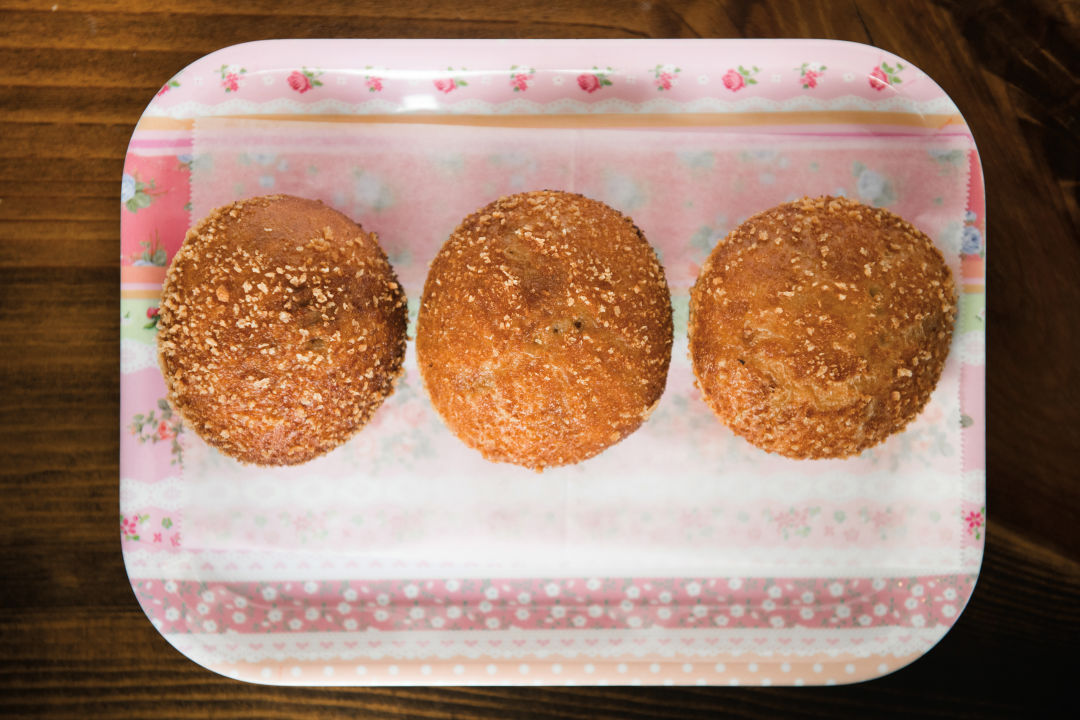
Fresh Japanese baking traditions remain ever on display, with matcha macarons and savory curry buns, but the sugar coated hero is the Crunchy Cream: filled with vanilla custard and covered in cereal cornflakes—the real breakfast of champions. Don't skip the golden beef curry buns. Then there's green tea danishes and green tea cookies, as well as a cache of glossy tarts and treats touched with a bit of Asian influence. On second thought, just order it all.
Hood Famous Cafe and Bar
Filipino elements punctuate the common cafe scene thanks to Chera Amlag, the baker who’s confirmed purple yam ube cheesecake as a Seattle staple. After expanding into more of a restaurant, the cafe has doubled back down on staples like iced macchiatos, calamansi citrus espresso tonics, longanisa sausage quiche, and ube cookies.
Fort St. George
One of the best views in this second-story bar is a window seat that overlooks Hing Hay Park. Or perhaps it's along the bar proper, watching a nearby big screen. Or maybe it's anywhere you can just drink your unfussy cocktail and dig into Japanese comfort foods like a homey bowl of pork katsu on rice.
This century-old legend could easily coast on lore alone, from surviving war and internment to the motherly order imposed by longtime stewards Jean Nakayama and Fusae “Mom” Yokoyama. It’s the food, however, driving the inevitable wait for a table. Regulars know to look to the whiteboard for exceptional daily specials, but then there are much-adored mainstays, like monkfish liver, sliced sashimi-style over shredded daikon with ponzu sauce.
“>
Maneki
The crowd at this International District restaurant and bar often skews young, but in fact, it does not get more old-school in Seattle than the century-old Maneki, a homey haunt of homely delights kept in line by a couple of no-nonsense aunties and traditional Japanese cooks. This legend could easily coast on lore alone, from surviving war and internment to the motherly order imposed by longtime stewards Jean Nakayama and Fusae “Mom” Yokoyama. It’s the food, however, driving the inevitable wait for a table. Regulars know to look to the whiteboard for exceptional daily specials, but then there are much-adored mainstays, like monkfish liver, sliced sashimi-style over shredded daikon with ponzu sauce. Yep, there’s a bar. But Maneki shines brighter for its comforting bar snacks and homestyle entree combinations.”>
This century-old legend could easily coast on lore alone, from surviving war and internment to the motherly order imposed by longtime stewards Jean Nakayama and Fusae “Mom” Yokoyama. It’s the food, however, driving the inevitable wait for a table. Regulars know to look to the whiteboard for exceptional daily specials, but then there are much-adored mainstays, like monkfish liver, sliced sashimi-style over shredded daikon with ponzu sauce.
E-Jae Pak Mor co-owner Pum Yamamoto taught herself how to make pak mor to satisfy a friend’s cravings.
E-Jae Pak Mor
A frenetically colorful fast-casual spot next to Uwajimaya serves delicate rice flour dumplings known as pak mor—a rarity outside Thailand because they’re so darn hard to make. These are assuredly worth investigating, but the non-dumpling options on the menu are just as exciting: spicy beef or sweet and sour noodle soups, marinated pork with rice noodles, khao mun gai, and a khao soi for the ages.
Bulalo, a beef shank soup from the Philippines, is the star at Kilig
fast-casual spot is bulalo, the beef shank soup from the Philippines. Each bowl is a cornucopia—beef shank, corn cob, tender potatoes, and cabbage, bobbing in a clear, bright broth made excellent with a few cheffy techniques. There are lots of other things to celebrate on Kilig’s menu, too, though. Like brisk sinigang chicken wings, Miranda’s delicate lumpia, and a noodle dish that brings together the best qualities of kare kare and dan dan. The drink list (both alcoholic and non) is a fantastic companion to all of it.
“>
Kilig
fast-casual spot celebrates bulalo, the beef shank soup from the Philippines. Each bowl is a cornucopia—beef shank, corn cob, tender potatoes, and cabbage, bobbing in a clear, bright broth made excellent with a few cheffy techniques. There are lots of other things to celebrate on Kilig’s menu, like brisk sinigang chicken wings, Miranda’s delicate lumpia, and a noodle dish that brings together the best qualities of kare kare and dan dan. The drink list (both alcoholic and non) is a fantastic companion to all of it.”>
The star at Melissa Miranda’s fast-casual spot is bulalo, the beef shank soup from the Philippines. Each bowl is a cornucopia—beef shank, corn cob, tender potatoes, and cabbage, bobbing in a clear, bright broth made excellent with a few cheffy techniques. There are lots of other things to celebrate on Kilig’s menu, too, though. Like brisk sinigang chicken wings, Miranda’s delicate lumpia, and a noodle dish that brings together the best qualities of kare kare and dan dan. The drink list (both alcoholic and non) is a fantastic companion to all of it.
Onibaba specializes in onigiri, but also has so much more to offer.
excellent gyoza. In Japan, onigiri are often an on-the-go treat grabbed from convenience stores, but inside the polished calm of this old Japantown building, a selection becomes the center of a meal worth lingering over.
“>
Onibaba
excellent gyoza. In Japan, onigiri are often an on-the-go treat grabbed from convenience stores, but inside the polished calm of this old Japantown building, a selection becomes the center of a lunch worth lingering over.”>
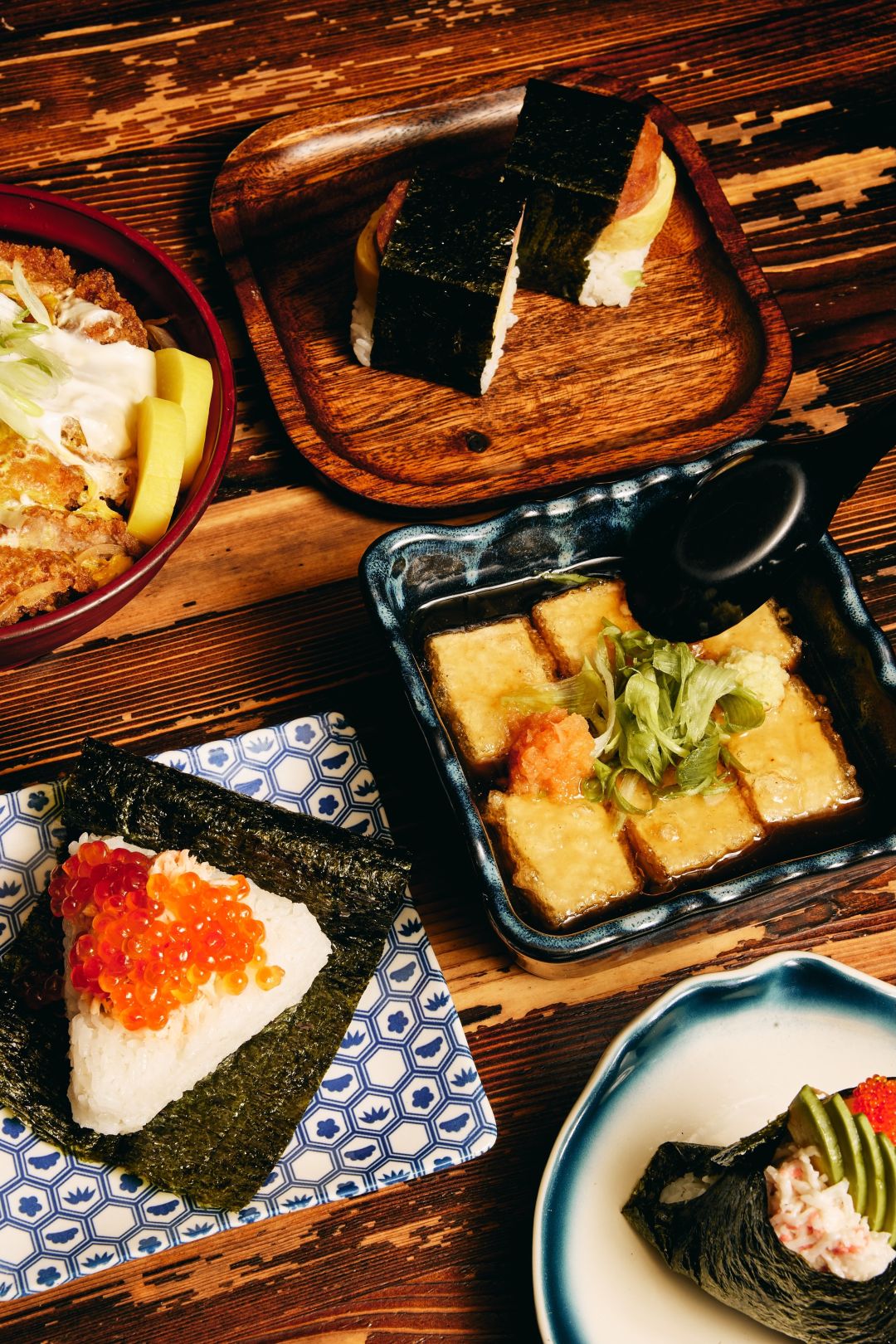
This descendant of storied sushi restaurant Tsukushinbo focuses on onigiri, making stuffed rice balls in some two-dozen different varieties, along with udon noodles, rice bowls, and a bunch of snacky dishes, like the excellent gyoza. In Japan, onigiri are often an on-the-go treat grabbed from convenience stores, but inside the polished calm of this old Japantown building, a selection becomes the center of a meal worth lingering over.
The Pho Bac Súp Shop is the flagship for Seattle's first family of pho.
Pho Bac Súp Shop
now serves garlic chicken and rice and was Seattle Met’s 2023 Restaurant of the Year.
“>
To be Seattle’s first pho shop is notable enough, especially given our town’s subsequent obsession with Vietnam’s robust noodle soup. But second-generation owners Yenvy and Quynh Pham have a talent for finding new, impressively on-trend ways to reinforce these traditions. Case in point: This tropically hip dining room where bowls of that same beautiful pho come with bar snacks and cocktails.
At the Boat, they do one thing, and do it well.
The Boat
Bac is now an all-day restaurant that serves a single dish: Com ga mam toi is a garlic-crusted half chicken, fried crisp and sticky with fish sauce. It comes with rice or a sidecar of noodle soup and a great little salad. While the food menu is hyper-focused, the drinks menu is surprisingly broad, filled with cocktails, Vietnamese iced coffee, and a memorable pandan iced tea. It’s also perfectly okay to come just for the pandan dessert waffles.”>
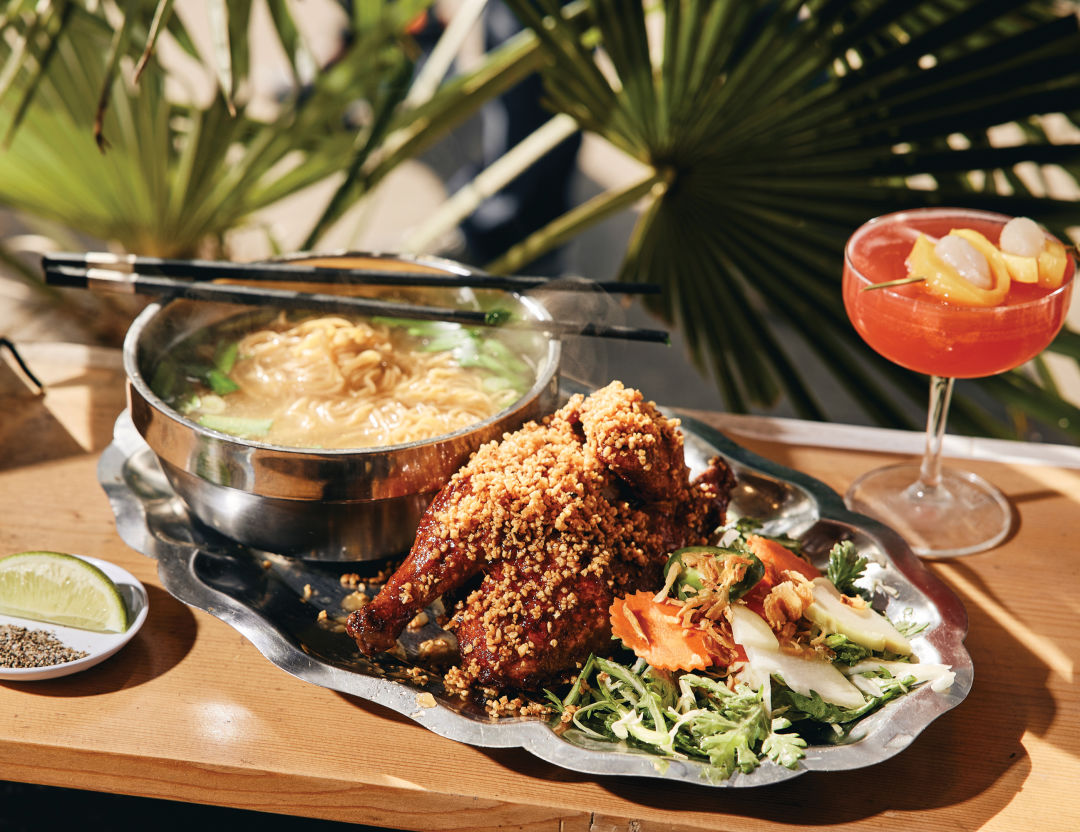
The dinghy-shaped building that once housed the original Pho Bac is now an all-day restaurant that serves a single dish: Com ga mam toi is a garlic-crusted half chicken, fried crisp and sticky with fish sauce. It comes with rice or a sidecar of noodle soup and a great little salad. While the food menu is hyper-focused, the drinks menu is surprisingly broad, filled with cocktails, Vietnamese iced coffee, and a memorable pandan iced tea. It’s also perfectly okay to come just for the pandan dessert waffles.
Find a favorite Cambodian noodle dish at Phnom Penh.
Phnom Penh Noodle House
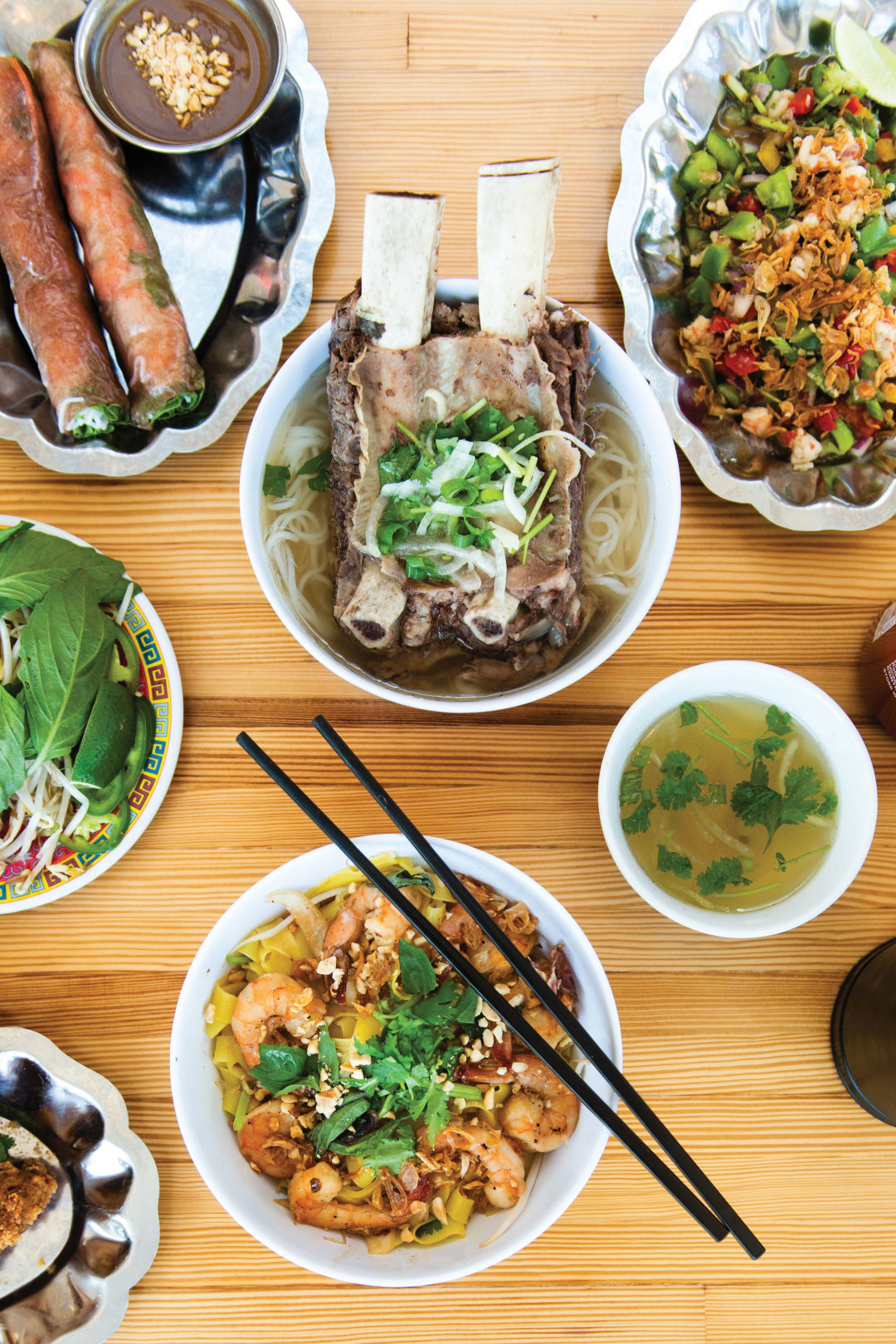
Now operated by a second generation, in its third location, this spacious noodle house has been serving up Cambodian food since 1986. And no wonder—steamy, hot bowls of egg or rice noodles come served in a pristine, savory broth topped with everything from sliced pork to prawns to roasted duck. Beyond noodle soups, dishes like mee katang, curries, salted fish, lemongrass beef, tamarind sour soups all nod to the intermingled cuisines of southeast Asia. “>
Now operated by a second generation, in its third location, this spacious noodle house has been serving up Cambodian food since 1986. And no wonder—steamy, hot bowls of egg or rice noodles come served in a pristine, savory broth topped with everything from sliced pork to prawns to roasted duck. Beyond noodle soups, dishes like mee katang, curries, salted fish, lemongrass beef, tamarind sour soups all nod to the intermingled cuisines of southeast Asia.
Sichuanese Cuisine Restaurant
An International District institution stood the test of time by sticking to its Sichuan roots despite opening well before most Seattleites knew the difference between Hunanese and Cantonese cuisine. It humbly served hot pot long before the arrival of sleek international chains and its big plates of housemade wontons are listed endearingly on the menu as Sichuan ravioli. This is homestyle food to its core, with big portions of ropy noodles, boiled fish (a pepper-reddened dish not nearly as demure as it sounds), and gently stir-fried potato slivers with jalapeños.
Not even the Space Needle delivers a stiffer shot of Seattle than an organic pizza joint, hand built of recycled materials by its LEED-certified architect owner—he even made the stools. Humble Pie smokes its own GMO-free pulled pork, imports just five ingredients from out of state, processes its own rainwater, and maintains a chicken coop. Snicker at your own peril, for these are killer, wood-fired pizza crusts, thin but with plenty of spring in the chew, topped with combos like organic Fuji apples, Beecher’s Flagship cheese, and bacon or smoked eggplant with cherry tomatoes and red onions. Mostly outdoor seating makes this primarily an in-summer place, but bevs (boutique brews, rotating ciders) and the neighborhood vibe are irresistible even if you have to keep your coat on.
“>
Humble Pie
Not even the Space Needle delivers a stiffer shot of Seattle than an organic pizza joint, hand built of recycled materials by its LEED-certified architect owner—he even made the stools. Humble Pie smokes its own GMO-free pulled pork, imports just five ingredients from out of state, processes its own rainwater, and maintains a chicken coop. Snicker at your own peril, for these are killer, wood-fired pizza crusts, thin but with plenty of spring in the chew, topped with combos like organic Fuji apples, Beecher’s Flagship cheese, and bacon or smoked eggplant with cherry tomatoes and red onions. Mostly outdoor seating makes this a mostly-in-summer place, but bevs (boutique brews, rotating ciders) and the neighborhood vibe are irresistible even if you have to cram into the tiny building.
“>
Not even the Space Needle delivers a stiffer shot of Seattle than an organic pizza joint, hand built of recycled materials by its LEED-certified architect owner—he even made the stools. Humble Pie smokes its own GMO-free pulled pork, imports just five ingredients from out of state, processes its own rainwater, and maintains a chicken coop. Snicker at your own peril, for these are killer, wood-fired pizza crusts, thin but with plenty of spring in the chew, topped with combos like organic Fuji apples, Beecher’s Flagship cheese, and bacon or smoked eggplant with cherry tomatoes and red onions. Mostly outdoor seating makes this primarily an in-summer place, but bevs (boutique brews, rotating ciders) and the neighborhood vibe are irresistible even if you have to keep your coat on.
A plastic-wrapped smorgasboard at Saigon Deli.
Saigon Deli
No seating, no frills, but, yes, plentiful flavorful and portable food resides within this counter-service spot. Those in the know come for the affordable banh mi sandwiches—the finest edible consequence of French Indochina and some of the best in the city on fresh-made baguette—filled with grilled tofu and veggies, or three kinds of ham. Others go for snacks packaged in house: shrimp spring rolls, chicken with rice, or minced pork inside steamed rice inside a banana leaf.
Thanh Son Tofu
Vietnamese
Chinatown–International District
Once just a tofu production company, Thanh Son branched out with an unexpectedly glittering deli space on King, more Vegas than Viet, but the banh mi are assembled to order on house-baked bread, and the glass case of che (Vietnamese dessert) is bonkers fun with a rainbow of options to mix and match: tapioca, sweet rice, fruit, jellies, and lots and lots of beans. But most people come for the soy milk and the incredible tofu, which is sold by the pound and requires serious willpower to not eat straight out of the bag with your fingers on the way home.
ChuMinh Tofu and Vegan Deli
Vietnamese, Vegan
Chinatown–International District
Look beyond the vigorously pastel walls and awkward layout to that glorious buffet, an all-you-can-eat smorgasbord of curry, tofu, braised jackfruit, eggplant, and assorted “meat” that's the stuff of meatless dreams. In the dining room, grateful vegans hover over tangy noodle soups, but the banh mi with faux crispy pork skin on the takeout menu counts plenty of carnivores in its fan base.
Chengdu Memory
Chinese
Chinatown–International District
In a region filled with big-name hot pot chains bringing orders by robot, Chengdu Memory keeps the vibes pleasantly low-key within its bold red and cozy stone walls. The food quality and selection keep up, though, with clear attention to presentation—including giant rings of meat and spiced bear figurines to melt into fiery broths. The sauce and condiment bar might just be the most extensive around, with plenty of snacks to graze on while waiting for the hot pot to boil.
Jin Huang
Chinese
Chinatown–International District
A shiny modern spot from a New York restaurant group, Jin Huang packs in crowds looking for classic Cantonese claypot dishes and roasted meats in a polished but casual space. Much of the menu, including various meat and rice combinations ideal for lunch, stays under $15, with only a few of specialty dishes crossing above $20. But don't try to save money here if you're easily tempted: Because Jin Huang shares the former House of Hong building with its much larger and more upscale sibling, it also serves Diamond Bay's sprawling menu of dim sum dishes.